
Everything you need to prepare for a seamless, unhurried safari across Kenya and Tanzania.
Planning a safari in Kenya and Tanzania is an exciting experience. Thoughtful preparation ensures your journey unfolds with ease, comfort, and a sense of quiet confidence. Below is a carefully curated guide to help you prepare for your safari with Africa Typique Safari.
Kenya and Tanzania offer rewarding safari experiences throughout the year. The ideal time to travel depends on your interests, preferred pace, and wildlife priorities.
June – October | December – February
Excellent wildlife viewing as animals gather around water sources Prime period for the Great Migration in the Serengeti and Maasai Mara Cooler temperatures and clear skies for photography
March – May | November
Lush landscapes and dramatic skies Fewer travelers and a more tranquil atmosphere Newborn wildlife and exceptional birdlife Seasonal Highlights
July – October
Amboseli & Mount Kilimanjaro Views: June – September Birdwatching & Green Season: March-May
Clothing
Lightweight, breathable layers in neutral tones
A warm jacket or fleece for early mornings and evenings
Wide-brimmed hat, scarf, and sunglasses
Footwear
Comfortable closed-toe shoes for bush walks
Sandals or slip-ons for lodge use
Accessories
Binoculars and camera equipment (with spare batteries and memory cards)
Small torch or headlamp Reusable water bottle and compact daypack
Personal Essentials
Sunscreen, insect repellent, and personal toiletries Any prescribed medication
Health & Well-Being
Recommended vaccinations may include Yellow Fever, Typhoid, and Hepatitis A & B Malaria prophylaxis is advised; mosquito repellent and treated nets are widely provided A small personal first-aid kit is useful for minor discomforts
Comprehensive travel insurance is strongly recommended
Kenya
All travelers must apply for an Electronic Travel Authorization (eTA) prior to arrival.
Application: Online
Processing time: Typically 1–4 days
Passport validity: Minimum six months from date of entry
Kenya no longer issues visas on arrival
Tanzania
Most nationalities require a visa (approximately USD 50)
Visas may be obtained online or upon arrival
Passport must be valid for at least six months
Important Notes
Carry both digital and printed copies of travel authorizations
Ensure at least two blank passport pages Entry requirements may change; we recommend confirming shortly before travel
Cultural Considerations
Dress respectfully when visiting villages or towns Always request permission before photographing people
Safari Etiquette
Maintain quiet during game drives to avoid disturbing wildlife Feeding animals is strictly prohibited Follow your guide’s instructions at all times
Photography Tips
Keep cameras ready-wildlife moments are often spontaneous Telephoto lenses are ideal for wildlife; wide-angle lenses capture landscapes beautifully
Currency & Tipping
Local currencies in Kenya and Tanzania are the Kenyan Shilling (KES) and Tanzanian Shilling (TZS).US dollars are widely accepted, and credit cards are accepted at most lodges. In more remote areas, cash is preferred.
Gratuities
Tipping is entirely discretionary and offered at your personal discretion, based on the level of service received. As a general guideline:
Safari guides: USD 15–30 per guest, per day
Lodge staff: USD 2–10per guest, per day/On the staffs Tip Box(Can be given on departure)
Gratuities are never mandatory and should always reflect your individual experience.
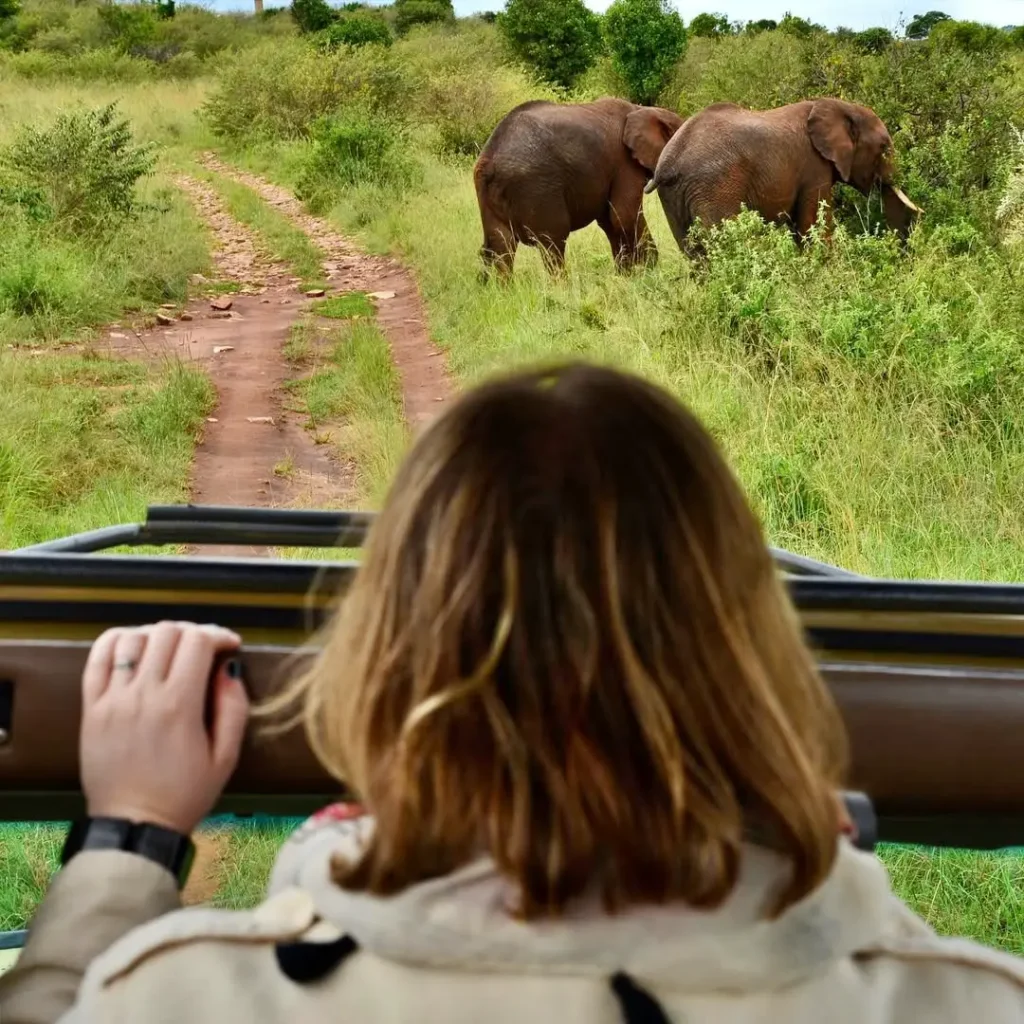
Safaris are conducted in private 4×4 Land Cruisers with pop-up roofs
Vehicles are designed for comfort, safety, and optimal game viewing
Airport transfers are included in all safari arrangements Domestic flights can be arranged to minimize travel time between regions
Safari Experiences
Morning and afternoon game drives
Guided walking safaris
Hot-air balloon safaris over the Maasai Mara or Serengeti
Cultural encounters with Maasai, Samburu, and local communities
Accommodation
Exclusive luxury lodges and tented camps Intimate boutique properties selected for comfort and location Authentic bush camps offering a deeper connection to nature
Families & Children on Safari
Many lodges welcome families and offer child-friendly amenities Some activities may have age restrictions; game drives are suitable for all ages Safari experiences can be tailored to engage younger travelers
Big Five Viewing: Maasai Mara, Amboseli, Tsavo, Samburu, Ol Pejeta, Solio
Great Migration: Serengeti & Maasai Mara (July – October)
Birdlife: Lake Naivasha, Lake Baringo, Amboseli
Best Light: Early mornings and late afternoons
Final Travel Notes
Pre-departure guides and packing checklists are available upon request
Seasonal insights are shared during planning All journeys are arranged through licensed, responsible safari operators to ensure safety, sustainability, and seamless execution
Design Your Safari Around the Perfect Season